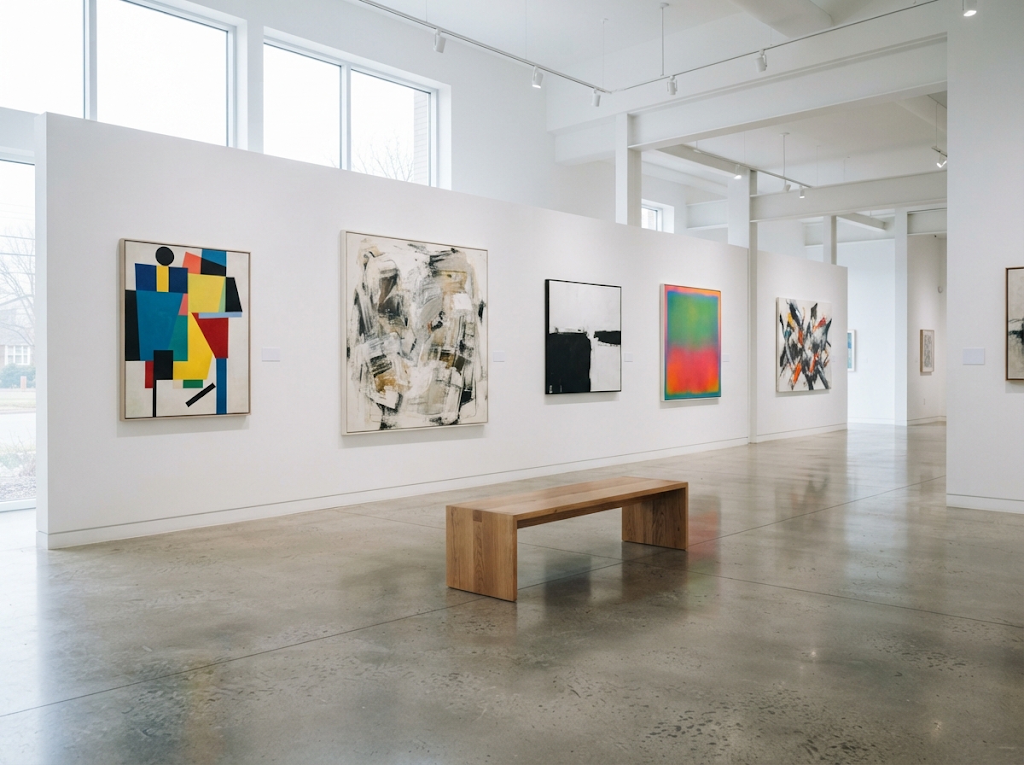
An exhibition begins long before the opening night. Curators write texts, registrars prepare loan agreements, designers lay out catalogues and press officers send invitations. When a gallery in London or New York shows artists from Cairo, Beirut, Riyadh or Casablanca, nearly every one of those documents crosses between Arabic and English. A wall label is a tiny piece of writing that shapes how a visitor sees the artwork, and a careless translation can change the meaning of a painting in a sentence. This guide explains how galleries, museums and artists can handle Arabic and English texts with care.
What an Exhibition Needs in Writing
A typical show involves artist statements, curatorial essays, wall labels, catalogue entries, press releases, audio guides, education packs, insurance lists, loan forms and social media posts. Each has a different reader. Labels must be short and clear, essays can be reflective, and legal forms must be exact. Plan each text type separately and agree on its length, tone and deadline.
Wall Labels and Short Texts
Labels sit next to the object, and visitors read them standing. Keep them under about eighty words, and place the key information first: artist, title, date, material and a short note. Arabic text runs from right to left, and Latin names and numbers appear inside it, so layout needs testing. The designer should place bilingual labels in a consistent order, and never shrink Arabic to a smaller size than English.
Artist Statements and Titles
Titles of artworks often play with words, quote poems or refer to local history. A literal translation may lose that effect. Ask the artist what the title means and which reading matters most. Then agree on a form for English and keep it in all catalogues, labels and press materials. Where a title cannot be translated without loss, consider a transliteration plus a short explanation.
Transliteration of Names
Arabic names can be written in Latin letters in many ways. Choose one spelling for each artist, based on a passport or the artist's preference, and record it in a style sheet. International museums, such as the British Museum, publish their own conventions for names and places, which can serve as a model. Consistency matters for archives, searches and citations.
Working With Specialists
Art writing needs translators who know the field. A full-service arabic translation company can assign editors who understand art terms, historical references and the difference between a catalogue essay and a press note. Provide images, a glossary and any earlier texts about the artist, so that the translator can match established wording.
Catalogues and Books
A catalogue is a lasting record. Texts are often longer, with footnotes, bibliographies and captions. Decide whether it will be fully bilingual or have English and Arabic in separate sections, and design the layout accordingly. Right-to-left books open from the opposite side, and page numbers, running heads and indexes need special care. Proofread the printed proofs with a native reader before printing.
Loans, Shipping and Insurance
Artworks travel with condition reports, valuation lists, customs papers and loan agreements. These documents carry legal and financial duties, so they should be translated by people who understand the terms. Describe damage, materials and measurements exactly, and use consistent units. A vague line in a condition report can lead to a dispute over who pays for a scratch. See also this article on bank statement translation, which covers the care that financial documents need.
Audio Guides and Tours
Spoken guides need a different style from written labels. Short sentences, clear pronunciation and a friendly voice work best. Record audio in Arabic and English with trained speakers, and provide transcripts for visitors who are deaf or hard of hearing. Guided tours benefit from interpreters who have visited the exhibition and received a list of names and terms in advance.
Education Programmes and Families
Workshops for schools and families bring art to new audiences. Worksheets, activity cards and instructions should be written in simple language and tested with children. Include questions that invite discussion, and avoid jargon. Bilingual materials help families who speak Arabic at home and English at school feel welcome.
Press and Social Media
Journalists need a press release, high-resolution images with captions and a contact person. Prepare both language versions at the same time, and check that dates, times and addresses match. On social media, short captions and hashtags in both languages help the show reach more people. Reply to comments in the language they were written.
Sales, Contracts and Artist Agreements
Galleries sign agreements with artists about representation, commission and exhibition rights. Sales invoices, certificates of authenticity and provenance records must be accurate, since they affect the value of a work. Have lawyers review the final texts in each country, and keep signed copies in both languages in the archive.
A Quiet Standard of Excellence
Visitors rarely notice good translation, but they feel it. The room seems open, the artworks speak and the texts support them without crowding. Build a glossary, a style sheet and a review process, and your gallery will present artists from the Arabic-speaking world with the care their work deserves.